
Buy
Don't buy the paint. Buy the structure. Fresh paint, staging and new finishes are easy to fall for. What decides whether a house is a good buy is mostly what you can't see at a showing.
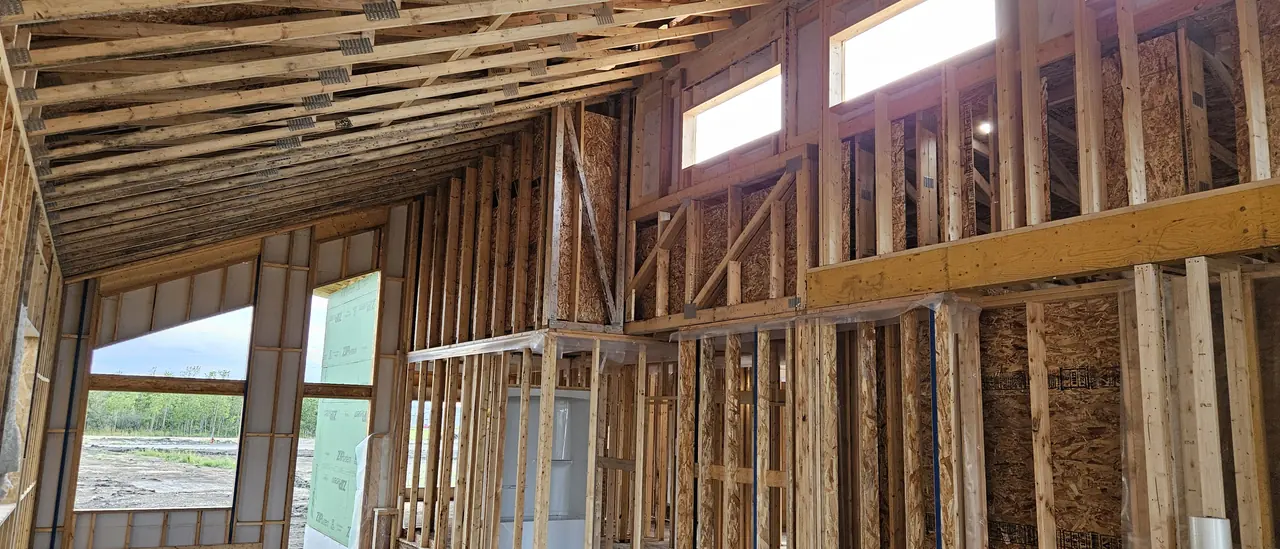
I've spent more than two decades building, renovating and owning property, so I look at a house structure first and finishes second: the roof, foundation, grading, electrical and mechanical systems, and the quality of past renovations. When we tour a home, I'll tell you plainly what I see: the solid work, the expensive repairs, and the problems photos don't show. That way you can rule out the wrong houses before paying for an inspection. On the one you choose, I'll help you decide what the inspector should look at closely.
What I look at first
The foundation. Horizontal cracks can mean soil pressure; fine vertical ones usually mean settling. On our Red River clay I also check the grading, because the ground has to slope away from the walls.
The roof and attic. Sagging along the roofline. In the attic: enough insulation and ventilation, no moisture or mould, and no daylight through the roof boards.
The mechanical and electrical systems. The age and installation quality of the furnace, water heater, electrical panel and plumbing. Tidy, professional work is a good sign the last owner didn't cut corners where it counts.
Doors and windows. Ones that stick or won't close properly can point to foundation movement or poor framing, not just humidity. They cost nothing to test and tell you a lot.
New flooring over a thirty-year-old panel and poor grading isn't value. It's a future repair bill in good clothes.
What an older Winnipeg house gets flagged for
How to search the market
Recommended: MLS® alerts set up by me
Tell me your areas, budget and must-haves. I'll set up a search on the MLS® system, and you'll get new listings and price changes by email. When a home looks promising, I'll pull its history and recent sale prices of comparable homes.
Browse on your own: REALTOR.ca
Public MLS® listings from every brokerage. One note: the contact button on each listing goes to the seller's agent, who represents the seller. If you'd like someone working for you, send me the link or MLS® number instead.
Competing without overpaying
Emotion is what makes buyers overpay. Facts about the house are how you bid firmly and stay safe.
When you know what it actually costs to replace a furnace at the end of its life or repair a sagging floor joist, you can set a maximum price and hold it. And when a house genuinely has good bones, you can compete hard knowing you're buying something that lasts.
One rule worth knowing: in a multiple-offer situation, the listing agent must tell you that you're competing with other offers, but can't reveal their terms. Let that inform your number, not your nerves. The aim is the right house at a price you can defend: never at any price, and never by waiving your inspection blind.
What it costs after you own it
The purchase price is the number everyone shops on, and it's the one that varies least between two similar houses. What it actually costs to own (property tax, hydro, gas, water, insurance and maintenance) is where the real differences are, and most of it never appears in a listing.
Guides: buying a house, buying a condominium, the cost of owning
Cottages, land and new builds
A cottage, a bare lot or a new build raises different questions: road access and servicing, the well, the septic field, permits, and whether the builder provides a third-party warranty. Manitoba doesn't require new homes to carry one, which surprises most people, so it's worth asking before you sign.
Rural and cottage due diligence
How it works
- We talk about what you're looking for and what you need to confirm financially.
- We look at properties, and I tell you what I see in each one, including the things that cost me the sale.
- We work through an offer, its terms, and the investigations that particular property deserves.
- I coordinate with your lender, lawyer and the other professionals through to possession.